Classical and Contemporary Pilates

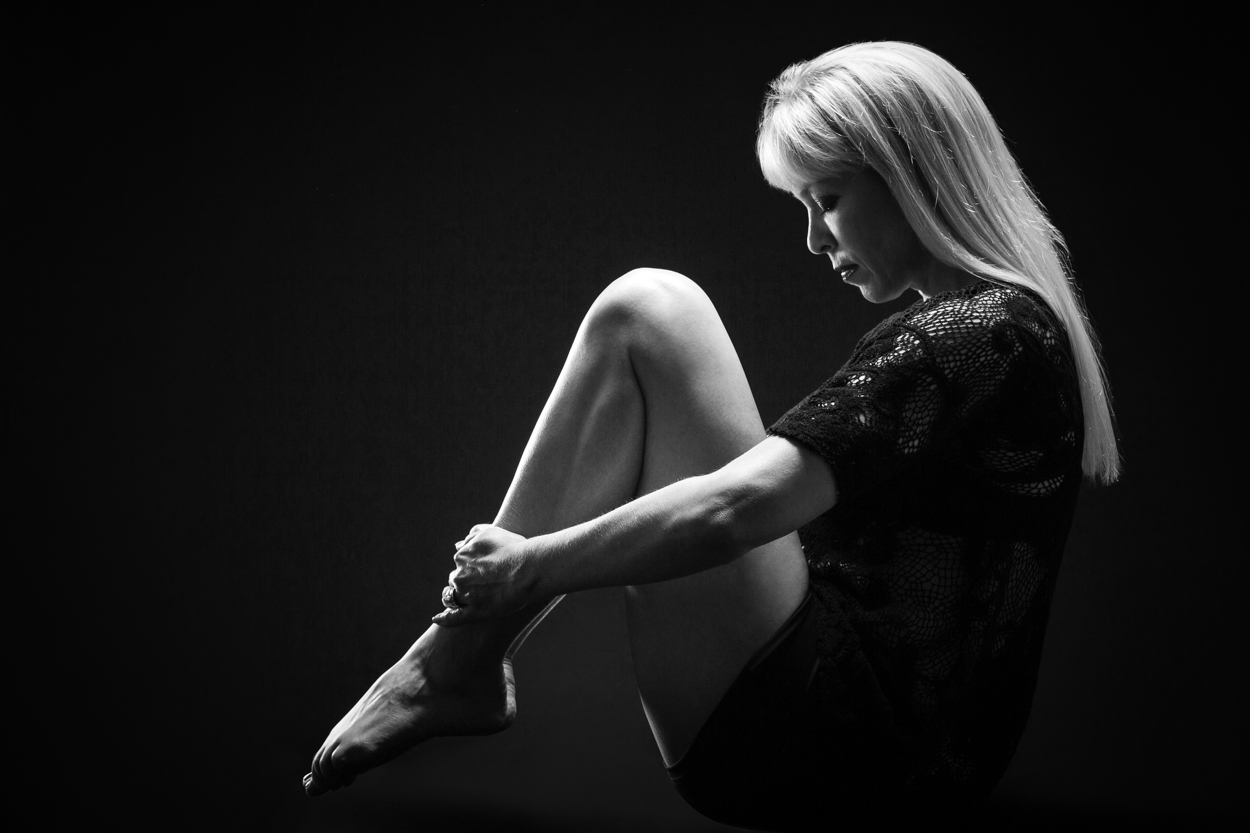
Classical Pilates at Endurance
A system I chose to study deeply—and continue to teach with intention
I have spent decades watching bodies move.
Athletic bodies. Injured bodies. Aging bodies. Strong bodies that have lost coordination. Flexible bodies that lack support. And over time, what became clear to me is this: no single exercise fixes a body—but a well-designed system can change how someone moves for life.
That understanding is what led me to study both contemporary Pilates and Classical Pilates in depth. Very few instructors do. It requires time, humility, and a willingness to hold multiple perspectives at once. But it also offers something rare—the ability to see the work clearly.
At Endurance, Classical Pilates is not taught as a trend or a throwback. It is taught as a living method—one that works because it was built thoughtfully, tested over time, and refined through experience.
What Classical Pilates Really Is
Classical Pilates is the original system developed by Joseph Pilates in the early 20th century. It is not a style layered on top of fitness, nor is it a subset of mat or reformer work. It is a complete method, designed to strengthen the body from the inside out.
The work follows a specific order and structure, using both mat work and apparatus to train strength, mobility, coordination, and breath together. Each exercise prepares the body for the next. Nothing is random. Nothing is accidental.
What continues to impress me—even after years of teaching—is how intelligent the system is. When taught as intended, Classical Pilates does not force the body into shapes. It teaches the body how to organize itself.
The Apparatus: How the System Teaches the Body
One of the most common misunderstandings I see is the idea that Pilates is divided into “mat Pilates” or “reformer Pilates.” In Classical Pilates, that distinction doesn’t exist.
The reformer, Cadillac, chair, and barrels are not machines that do the work for you. They are apparatus—tools Joseph Pilates designed to guide the body, challenge it, and give it feedback.
The springs don’t create strength. The apparatus doesn’t replace effort.
The body is the machine.
The apparatus simply reveals where support is missing, where compensation is happening, and how movement can be more efficient. In this way, the equipment becomes a teacher. It educates the body rather than carrying it.
Mat work and apparatus work are inseparable parts of the same system. Each reinforces the other. When taught together, they create clarity, balance, and strength that transfers far beyond the studio.
Why I Teach Both Classical and Contemporary Pilates
My training includes both Classical and contemporary Pilates—and that matters.
Contemporary Pilates brings valuable insights from modern movement science, rehabilitation, and biomechanics. Classical Pilates offers structure, sequencing, and a system that has proven itself over generations.
Studying both has allowed me to understand why the system works—not just how to modify it.
At Endurance, I don’t teach one approach at the expense of the other. I teach from understanding. That means honoring the integrity of the Classical system while applying contemporary knowledge thoughtfully and responsibly, always in service of the person in front of me.
The Principles That Guide Every Session
Whether a client is new to Pilates or deeply experienced, the work is guided by the same principles:
-
Concentration and awareness
-
Control without rigidity
-
Centering and support
-
Flow and continuity
-
Precision over force
-
Breath as an organizing tool
These are not abstract concepts. They show up in how someone stands, walks, trains, and recovers. Over time, they change posture, reduce chronic tension, and create a sense of ease that people often didn’t realize they were missing.
What Clients Experience Over Time
The benefits of Classical Pilates at Endurance are not about quick results. They are about lasting change.
Clients often notice:
-
Improved posture and spinal support
-
Stronger, more responsive core engagement
-
Increased flexibility without strain
-
Reduced pain and recurring tension
-
Greater confidence in how their body moves
Because the system emphasizes balance and control, it is also exceptionally effective for injury prevention and rehabilitation—supporting the body rather than overpowering it.
Beginning Pilates at Endurance
Starting Pilates doesn’t require prior experience—only curiosity and a willingness to learn. At Endurance, we prioritize education, thoughtful progression, and clear communication.
For many clients, beginning with private or small-group sessions allows the work to be learned correctly from the start. From there, the system unfolds naturally, building strength, coordination, and confidence layer by layer.
A Practice That Lasts
Classical Pilates has endured because it works. Not because it’s flashy. Not because it’s easy. But because it respects the body.
At Endurance, Pilates is not divided into trends or categories. It is taught as a system—one that evolves with the person practicing it, and deepens with time.
This is the work I’ve chosen to study, preserve, and teach. And it continues to show me—every day—what intelligent movement can do.