
How Pilates Improves Flexibility and Strength

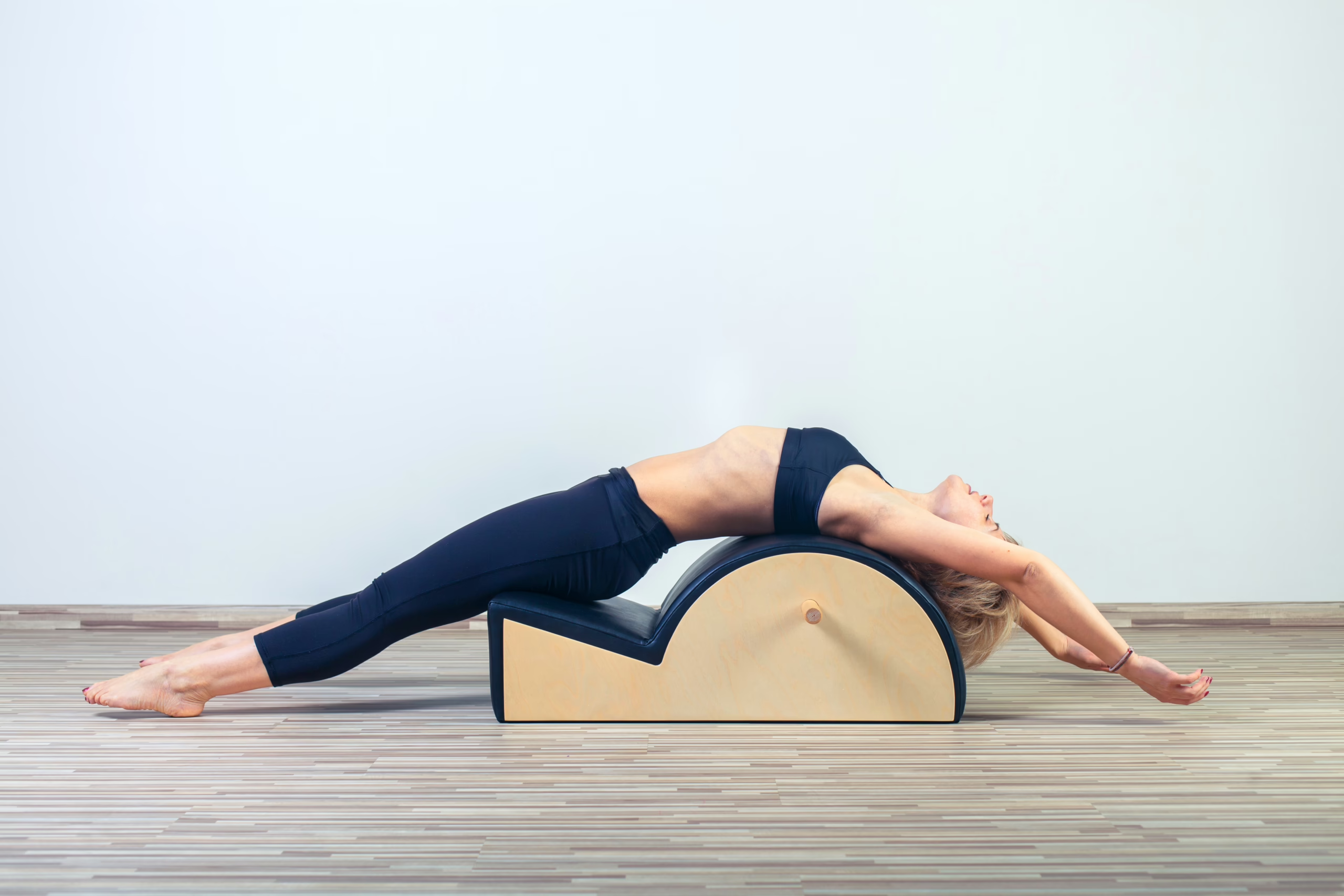
How Pilates Improves Flexibility and Strength
Are you curious about Pilates and what it can do for your body? This low-impact exercise routine is gaining popularity for its ability to improve flexibility and strength. But what exactly is Pilates, and how does it benefit you? In this article, we’ll dive into the world of Pilates, exploring its numerous advantages and why it might be the perfect addition to your fitness routine. Whether you’re looking to enhance your physical health or find a new way to connect with your body, Pilates offers a comprehensive approach to fitness that can meet various needs and goals.
Pilates is a form of exercise that focuses on strengthening the body, particularly the core muscles, while enhancing flexibility and overall fitness. Developed by Joseph Pilates in the early 20th century, this workout combines elements of yoga, ballet, and calisthenics to create a unique fitness routine. It emphasizes precision, control, and concentration, making it a mindful practice that encourages participants to be fully engaged in each movement. The exercises are designed to improve strength, coordination, and balance, catering to individuals of all fitness levels and backgrounds.
The Core of Pilates
At the heart of Pilates is the core, often referred to as the “powerhouse” of the body. The core includes the muscles of the abdomen, lower back, hips, and pelvis. By focusing on this area, Pilates helps build a strong foundation, improving posture, balance, and stability. A strong core is essential for efficient movement and can significantly reduce the risk of injury in daily activities. Additionally, engaging the core muscles in Pilates encourages better breathing techniques, which further enhances the effectiveness of the exercises and promotes a sense of calmness and focus.
Pilates Workout Benefits
Flexibility: Stretching Your Limits
One of the primary benefits of Pilates is its ability to enhance flexibility. Through a series of controlled movements and stretches, Pilates helps lengthen and stretch your muscles, increasing your range of motion and reducing the risk of injury. These stretching exercises are often slow and deliberate, allowing you to explore the full potential of your muscles without overextending them. Over time, consistent practice can lead to significant improvements in flexibility, making it easier to perform everyday tasks and participate in other physical activities.
Moreover, Pilates promotes balanced muscle development, ensuring that all muscle groups are stretched and strengthened equally. This balance is crucial for maintaining joint health and preventing muscle imbalances that can lead to discomfort or injury. As your flexibility improves, you may notice increased fluidity and grace in your movements, both in and out of the Pilates studio.
Strength: Building a Strong Foundation
Pilates is known for its ability to build strength without adding bulk. The exercises target specific muscle groups, particularly the core, but also engage the arms, legs,,and back. This full-body workout strengthens your muscles, improves endurance, and enhances your overall fitness. By focusing on controlled, precise movements, Pilates encourages the development of lean muscle mass, which contributes to a toned and sculpted appearance.
The resistance used in Pilates, whether through body weight or specialized equipment, challenges the muscles in a way that promotes strength and stability. This approach not only enhances physical strength but also boosts stamina, allowing you to perform daily activities with greater ease and efficiency. The emphasis on control and form ensures that you are working your muscles to their fullest potential while minimizing the risk of injury.
Improved Posture and Alignment
Good posture is essential for a healthy body, and Pilates helps you achieve it. By focusing on alignment and control, Pilates encourages proper posture, reducing strain on your muscles and joints. This can lead to fewer aches and pains and a more confident stance. Improved posture also enhances breathing efficiency and can positively impact your overall energy levels and mood.
As you become more aware of your body’s alignment through Pilates, you may start to notice how certain habits or activities affect your posture. This heightened awareness can lead to better ergonomic choices in your daily life, from sitting at a desk to carrying groceries, ultimately contributing to long-term physical health and well-being.
Enhanced Mind-Body Connection
Pilates is not just about physical exercise; it’s also about connecting the mind and body. The practice emphasizes concentration, control, and precision, requiring you to be fully present in each movement. This mindfulness can lead to reduced stress and improved mental well-being. By focusing on the breath and the body’s alignment, Pilates encourages a meditative state that can enhance relaxation and mental clarity.
The mind-body connection fostered by Pilates can also improve your ability to listen to your body and respond to its needs. This heightened self-awareness can help you identify areas of tension or imbalance, allowing you to address them proactively. As you develop this connection, you may find that your Pilates practice becomes a source of mental rejuvenation and emotional balance, providing a holistic approach to health and wellness.
Health Benefits of Pilates
Increased Mobility and Balance
Does Pilates help with mobility? Absolutely! Pilates enhances your body’s ability to move freely and efficiently. The exercises improve balance and coordination, making everyday activities easier and reducing the risk of falls, especially as you age. Improved mobility can lead to increased independence and a higher quality of life, particularly for older adults or those recovering from injuries.
The gentle, low-impact nature of Pilates makes it an ideal exercise for enhancing joint health and flexibility. By promoting fluid and controlled movements, Pilates helps maintain joint function and prevents stiffness, contributing to overall mobility and ease of movement. This increased mobility can translate into greater confidence and enjoyment in various physical activities and daily tasks.
Rehabilitation and Injury Prevention
Pilates is often used in physical therapy and rehabilitation settings due to its gentle nature and focus on controlled movements. It can help with recovery from injuries and prevent future ones by strengthening muscles and improving flexibility. The personalized nature of Pilates allows for modifications to suit individual needs and limitations, making it a safe and effective option for rehabilitation.
By focusing on proper alignment and muscle engagement, Pilates can address imbalances or weaknesses that may contribute to injury. This proactive approach to injury prevention can enhance your overall physical resilience and reduce the likelihood of setbacks in your fitness journey. Whether you’re recovering from an injury or looking to prevent one, Pilates offers a supportive and effective path to achieving your goals.
Benefits for Women
Pilates offers numerous advantages for women, particularly during pregnancy and postnatal recovery. The exercises strengthen the pelvic floor, improve posture, and alleviate back pain. Plus, the low-impact nature of Pilates makes it a safe option during pregnancy. The emphasis on core stability and pelvic alignment can help support the body through the physical changes of pregnancy and postpartum recovery.
In addition to physical benefits, Pilates provides a supportive environment for women to focus on their health and well-being. The sense of community and encouragement in Pilates classes can enhance motivation and enjoyment, making it a rewarding and empowering experience. Whether you’re preparing for motherhood or simply seeking a balanced workout, Pilates can offer a nurturing and effective solution.
Pilates Muscles Worked
Pilates targets a wide range of muscles, making it an effective full-body workout. Here’s a closer look at some of the key muscle groups worked during a Pilates session:
- Core Muscles: The focus is on the abdominal muscles, obliques, and lower back. Strengthening these muscles supports spinal alignment and enhances overall stability.
- Legs and Glutes: Exercises like leg circles and lunges target the quadriceps, hamstrings, and glutes. This lower body engagement promotes strength and endurance, contributing to improved athletic performance and daily function.
- Arms and Shoulders: Movements such as arm circles and push-ups engage the biceps, triceps, and shoulder muscles. These exercises enhance upper body strength and flexibility, supporting functional movement and posture.
- Back Muscles: Pilates strengthens the muscles along the spine, promoting better posture and reducing back pain. A strong back is essential for maintaining a healthy spine and preventing discomfort during daily activities.
Is Pilates a Good Workout for You?
Advantages of Pilates Exercises
Pilates offers a wide range of benefits, making it a versatile workout suitable for people of all fitness levels. Whether you’re a beginner or an experienced athlete, Pilates can complement your existing routine and help you achieve your fitness goals. Its adaptability allows for personalized modifications, ensuring that each session meets your unique needs and challenges.
The low-impact nature of Pilates makes it an accessible option for those with joint concerns or those seeking a gentle yet effective workout. Its emphasis on core strength, flexibility, and alignment provides a well-rounded approach to fitness that can enhance overall health and well-being. Whether you’re seeking to boost your athletic performance or simply find a new way to stay active, Pilates can offer a fulfilling and effective solution.
Does Pilates Work?
Yes, Pilates is an effective workout that delivers results. It enhances flexibility, builds strength, and promotes overall well-being. With consistent practice, you’ll notice improvements in your posture, balance, and core strength. The benefits extend beyond physical fitness, contributing to mental clarity and stress reduction.
The key to success with Pilates is regular practice and a commitment to mastering the techniques. As you progress, you’ll gain a deeper understanding of your body’s capabilities and limitations, allowing you to tailor your practice to your evolving needs. Whether you’re seeking physical transformation or a greater sense of connection with your body, Pilates offers a path to achieving your goals.
Getting Started with Pilates
Finding the Right Class
When starting with Pilates, it’s essential to find a class that suits your needs. Many gyms and fitness centers offer Pilates classes, ranging from beginner to advanced levels. Look for a certified instructor who can guide you through the exercises safely and effectively. A knowledgeable instructor can provide personalized feedback and modifications, ensuring that you get the most out of your practice.
Consider exploring different types of Pilates classes, such as mat Pilates or apparatus-based sessions, to find the approach that resonates with you. Whether you prefer a group setting or private instruction, finding the right environment can enhance your enjoyment and commitment to Pilates. Remember, the goal is to create a sustainable and rewarding practice that aligns with your fitness goals and lifestyle.
Equipment and Props
Pilates can be performed on a mat or using specialized apparatus such as the Reformer, Cadillac, or Wunda Chair. While apparatus-based Pilates offers added resistance and variety, mat Pilates is equally effective and can be done at home with minimal space and props. Common props include resistance bands, stability balls, and small weights, which can enhance the challenge and variety of your workouts.
Choosing the right equipment depends on your preferences and goals. Equipment-based Pilates can provide additional support and challenge, while mat Pilates offers convenience and flexibility. Regardless of your choice, both approaches emphasize precision, control, and alignment, ensuring a comprehensive and effective workout.
Incorporating Pilates into Your Routine
To experience the full benefits of Pilates, aim to practice two to three times a week. Consistency is key, and over time, you’ll notice improvements in your flexibility, strength, and overall fitness. Incorporating Pilates into your routine can complement other forms of exercise, providing a balanced approach to physical activity and recovery.
Consider setting specific goals for your Pilates practice, such as improving posture, increasing flexibility, or enhancing core strength. Tracking your progress can provide motivation and a sense of accomplishment, reinforcing the positive impact of Pilates on your health and well-being. Whether you’re integrating Pilates into a comprehensive fitness plan or exploring it as a standalone practice, its benefits can enhance your overall lifestyle.
Conclusion: The Power of Pilates
Pilates is a powerful exercise routine that offers numerous benefits for both the body and mind. Whether you’re looking to improve flexibility, build strength, or enhance your overall health, Pilates can help you achieve your goals. With its focus on core strength, alignment, and mindfulness, Pilates is more than just a workout; it’s a journey towards a healthier, more balanced you.
Incorporate Pilates into your fitness routine today and experience the transformation for yourself. Discover the power of Pilates and unlock your body’s full potential. As you embark on this journey, you’ll find that Pilates not only enhances your physical fitness but also enriches your mental and emotional well-being, providing a holistic approach to health and vitality.