Blog
Athletic Reformer vs. Fitness Reformer

Athletic Reformer vs. Fitness Reformer
What’s the Difference — And Why It Matters
Walk into almost any studio today and you’ll see the word Reformer.
But not all reformer classes are the same.
Over the past decade, “Reformer” has become a catch-all phrase — sometimes referring to classical Pilates, sometimes to high-intensity fitness circuits, sometimes to something in between.
At Endurance Pilates & Yoga, we teach an Athletic Reformer class — and it is very different from what most people think of as a “fitness reformer” workout.
Understanding the difference matters.
Because how you train determines what you build.
Key Takeaways
“Fitness reformer” classes are typically fast, music-driven, high-repetition, and focused on burn and fatigue. Endurance’s Athletic Reformer is grounded in the classical Pilates system with intelligent sequencing, progressive resistance, precision, and clear biomechanical intent. It uses the apparatus as feedback to organize the body—building long-term strength, alignment, and nervous-system resilience rather than short-term exhaustion. This approach suits athletes, runners, deskbound professionals, and those returning from injury, and often starts best with a private session to learn the system.
Summary
This piece distinguishes fast-paced, fatigue-driven “fitness reformer” classes from Endurance’s “Athletic Reformer,” which follows classical Pilates architecture with intelligent sequencing, precision, and progressive resistance. The Athletic Reformer prioritizes organization over exhaustion, using the apparatus as feedback to build long-term strength, alignment, and nervous-system resilience. It is designed for athletes, professionals, and anyone seeking sustainable performance and structural integrity rather than short-term burn. Endurance’s approach integrates strength with awareness to create durable, intelligent training.
What Is a Fitness Reformer Class?
A fitness reformer class is typically:
- Fast-paced
- Music-driven
- High-repetition
- Focused on burn and sweat
- Designed for intensity
These classes often incorporate:
- Jump boards
- Hand weights
- Bands
- Planks and cardio intervals
There’s nothing inherently wrong with intensity. Many people enjoy it.
But the goal is usually fatigue.
You leave feeling worked.
What Is an Athletic Reformer Class?
An Athletic Reformer class, as we teach it at Endurance, is different.
It is built from the architecture of the classical Pilates system.
It is not random exercises placed on a reformer.
It is intelligent sequencing.
In our Athletic Reformer classes, you will experience:
- Progressive resistance
- Precision over speed
- Clear biomechanical intent
- Structured programming
- Athletic integration without chaos
The work is strong — but it is organized.
You will sweat.
But you will also understand what you’re doing.
The Key Distinction: Fatigue vs. Organization
A fitness reformer class asks: How much can you do?
An athletic reformer class asks: How well can you do it?
That difference changes everything.
Fatigue creates temporary intensity.
Organization creates long-term strength.
For athletes, runners, professionals, and anyone managing stress — organization matters more.
Because your nervous system is already overloaded.
Adding noise doesn’t build resilience.
Precision does.
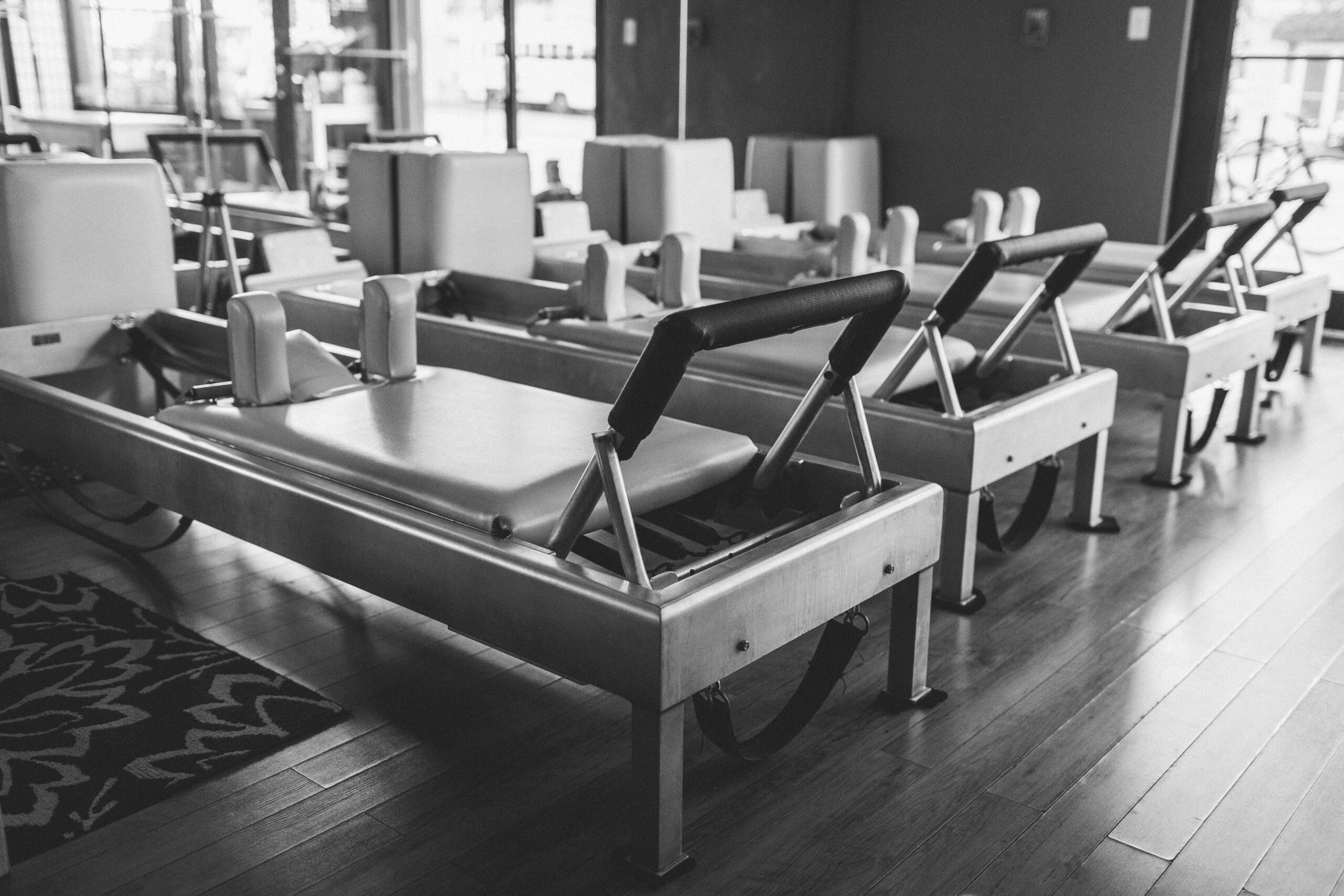
The Role of the Apparatus
One of the biggest misconceptions in modern Pilates is that the reformer is “the machine.”
It isn’t.
The body is the machine.
The apparatus is a guide.
In a true athletic reformer environment, the springs are not there to make things harder.
They are there to provide feedback.
To support alignment.
To reveal imbalance.
To build strength through clarity.
Who Is Athletic Reformer For?
At Endurance Pilates & Yoga in Boston’s South End, our Athletic Reformer classes are designed for:
- Endurance athletes
- Runners
- Professionals who sit all day
- Former dancers
- Individuals returning from injury
- Anyone who wants strength without compression
It is not chaotic.
It is not bootcamp Pilates.
It is not choreography for the sake of choreography.
It is athletic intelligence.
Why This Distinction Matters Now
The Pilates industry has expanded rapidly.
That growth is exciting — but it has also blurred definitions.
If your goal is:
- Short-term burn
- Social energy
- Loud atmosphere
A fitness reformer class may be a great fit.
If your goal is:
- Longevity
- Structural integrity
- Performance
- Nervous system resilience
- Real strength
Athletic reformer training offers something deeper.
The Endurance Approach
At Endurance Pilates & Yoga, we believe:
Strength without awareness creates tension.
Awareness without strength creates fragility.
The integration of the two creates endurance.
Our Athletic Reformer classes reflect that philosophy.
Strong.
Structured.
Intelligent.
Sustainable.
If you are new to Pilates, we recommend beginning with a private session so your body can learn the system before entering group work.
Because the difference between exercise and practice begins with understanding.
Q&A
Question: What makes Endurance’s Athletic Reformer different from a typical “fitness reformer” class? Short answer: Athletic Reformer is built on the classical Pilates system with intelligent sequencing, progressive resistance, precision, and clear biomechanical intent. It prioritizes organization over exhaustion. Fitness reformer classes are usually fast, music-driven, high-rep, and focused on burn and sweat. Athletic Reformer aims for long-term strength, alignment, and nervous-system resilience rather than short-term fatigue.
Question: Will I still get a challenging workout in Athletic Reformer? Short answer: Yes. The work is strong and you will sweat, but the intensity is organized. Instead of chasing fatigue, the class emphasizes quality over speed so you leave understanding what you did and why. The goal is durable capacity—strength with awareness—rather than temporary burnout.
Question: How is the reformer apparatus used differently in Athletic Reformer? Short answer: The body is the machine; the apparatus is a guide. Springs aren’t there just to make exercises harder—they provide feedback, support alignment, reveal imbalances, and help you build strength through clarity. This contrasts with fitness formats that often add intensity through jump boards, weights, and cardio intervals.
Question: Who is Athletic Reformer best for—and who might prefer a fitness reformer class? Short answer: Athletic Reformer is designed for endurance athletes, runners, professionals who sit all day, former dancers, individuals returning from injury, and anyone seeking strength without compression. Choose fitness reformer if you want short-term burn, social energy, and a loud, fast-paced atmosphere. Choose Athletic Reformer if you want longevity, structural integrity, performance, nervous-system resilience, and real, sustainable strength.
Question: Why does this distinction matter now? Short answer: As Pilates has expanded, definitions have blurred. How you train determines what you build: fatigue creates temporary intensity; organization creates long-term strength. For athletes and stressed professionals with already overloaded nervous systems, adding noise doesn’t build resilience—precision and intelligent sequencing do. If you’re new, Endurance recommends starting with a private session to learn the system before group work.
Q&A
Question: What will an Athletic Reformer session feel like compared to a fitness reformer class? Short answer: Expect strong, organized work rather than a fast, music-driven burn. Athletic Reformer follows the classical Pilates architecture with intelligent sequencing, precision over speed, progressive resistance, and clear biomechanical intent. You’ll sweat, but instead of chasing fatigue, you’ll build understanding, alignment, and durable strength.
Question: Does Athletic Reformer use jump boards, heavy music, or cardio intervals? Short answer: Not as a focus. Where fitness reformer often adds jump boards, hand weights, bands, and cardio blocks to ramp up intensity, Athletic Reformer uses the apparatus to guide the body, not to create chaos. The intensity comes from organized, precise work—athletic integration without choreography for its own sake.
Question: How do the springs and apparatus function in Athletic Reformer training? Short answer: The body is the machine; the apparatus is a guide. Springs aren’t just there to make things “harder.” They provide feedback to support alignment, reveal imbalances, and allow progressive resistance that builds strength through clarity. This turns the reformer into a teaching tool, not just a resistance device.
Question: Who is Athletic Reformer best suited for? Short answer: It’s designed for endurance athletes, runners, professionals who sit all day, former dancers, individuals returning from injury, and anyone seeking strength without compression. Choose Athletic Reformer if you want longevity, structural integrity, performance, nervous-system resilience, and real, sustainable strength over short-term burn.
Question: I’m new to Pilates—how should I start? Short answer: Begin with a private session. Endurance recommends this so your body can learn the classical system, vocabulary, and feedback of the apparatus before entering group work. That foundation turns group classes into a true practice—organized training that builds long-term capacity rather than temporary exhaustion.
Q&A
Question: What does “organization over exhaustion” actually mean in Athletic Reformer? Short answer: It means the work is planned to improve how you move, not just how much you can do. Athletic Reformer uses classical Pilates sequencing, precise mechanics, and progressive resistance so the apparatus teaches alignment and control. The goal is coordinated, efficient patterns that build long-term strength, structural integrity, and nervous-system resilience—rather than simply creating short-term fatigue.
Question: How is intensity created if the class isn’t focused on high reps and speed? Short answer: Intensity comes from precision, not chaos. You’ll work with deliberate tempo, clear biomechanical intent, and calibrated spring settings that demand organization. This challenges deeper support systems, improving strength and control. You will sweat, but the effort is directed and educational, leaving you stronger and clearer—not just tired.
Question: What results should I expect over time with Athletic Reformer? Short answer: Expect durable capacity rather than a transient “burn.” Over time, you’ll build aligned strength, better joint organization, improved movement efficiency, and resilience under stress. Many notice enhanced performance in sport and daily life, less compression and tension, and a calmer, more responsive nervous system.
Question: Who is most likely to benefit from Athletic Reformer? Short answer: Endurance athletes, runners, deskbound professionals, former dancers, individuals returning from injury, and anyone seeking strength without compression. If you value longevity, structural integrity, performance, and nervous-system resilience over a loud, fast-paced atmosphere and quick fatigue, Athletic Reformer is a better fit.
Question: How should I start if I’m new—or coming from fitness reformer classes? Short answer: Begin with a private session. Learning the classical system, spring choices, and the feedback of the apparatus upfront builds a foundation for group work. That preparation turns classes into a true practice—organized training that develops long-term strength and awareness instead of temporary exhaustion.